
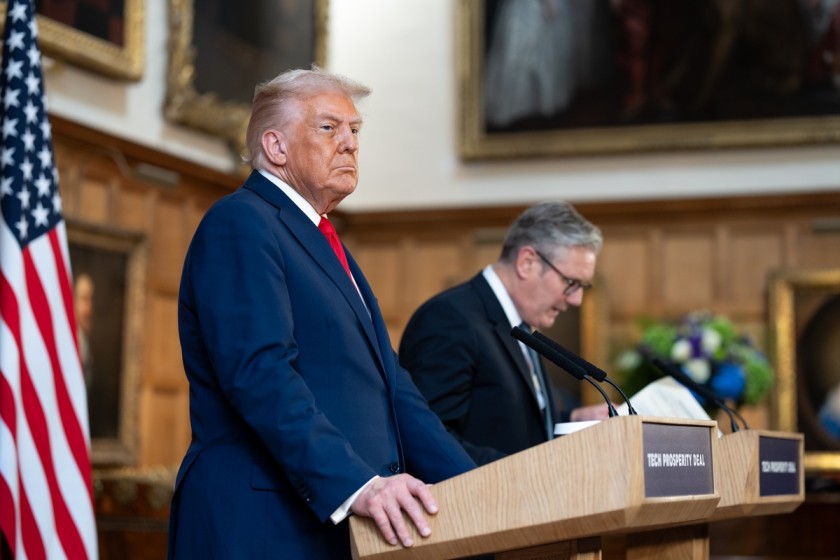
Former US President Donald Trump has recently sparked discussion by asserting that British Prime Minister Keir Starmer is on the verge of resigning. In a statement posted on Truth Social, Trump criticized Starmer’s handling of immigration and energy policy, suggesting he had “failed badly” in these areas. Trump also advocated for increased development of North Sea oil resources, while extending his well-wishes to the British leader.
The comments come at a time when Starmer is facing mounting political scrutiny within his own party. Reports have surfaced indicating that some members of the Labour Party are questioning his leadership. This internal debate has gained momentum following a recent parliamentary election result that enhanced the standing of one of Starmer’s political adversaries. These developments have reignited discussions about the future direction of the Labour Party.
Trump’s remarks coincide with a period of heightened focus on international political dynamics. Global leaders are increasingly turning their attention to major geopolitical challenges, including the ongoing tensions in the Middle East. The timing of Trump’s comments adds another layer to the complex web of international relations, as countries navigate these pressing global issues.
As Trump voices his opinions on Starmer’s leadership from across the Atlantic, the situation within the Labour Party remains fluid. The party is grappling with questions about its leadership and vision, amidst a backdrop of political rivalry and shifting allegiances. Meanwhile, Starmer continues to face the dual challenge of addressing internal party concerns and responding to external criticisms, such as those delivered by Trump.