
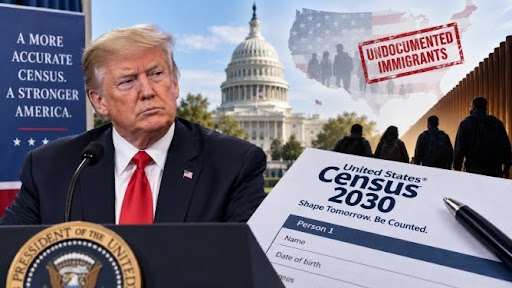
The Trump administration has put forward a proposal to modify the United States census in a way that would exclude undocumented immigrants from being counted in the national population tally. This proposed change could have significant implications for how federal resources are allocated and how congressional districts are drawn across the country. Under the new plan, only lawful permanent residents would be included in the census count, while undocumented immigrants and certain other non-permanent residents might be omitted. The Census Bureau is considering leveraging government administrative records to ascertain the legal status of individuals counted in the census.
Traditionally, the US census, which is conducted every decade, has included all residents living in the country, irrespective of their citizenship or immigration status. The population data collected through the census is crucial for determining the distribution of federal funds and the apportionment of seats in the House of Representatives among the states. The administration’s proposed changes mark a departure from this longstanding practice and are expected to stir considerable debate.
In addition to the proposed changes regarding immigration status, the administration is also contemplating revisions to the questions on race and ethnicity included in the census. Concerns have been raised about the relevance and sensitivity of these questions, and any alterations could impact the demographic data that informs policy decisions and governmental planning.
The proposal is likely to face legal challenges, particularly from Democratic lawmakers and advocacy groups. These opponents argue that the Constitution mandates the census to count all individuals residing in the United States, regardless of their legal status. As the debate unfolds, the implications of such changes continue to be a point of contention among various stakeholders.