
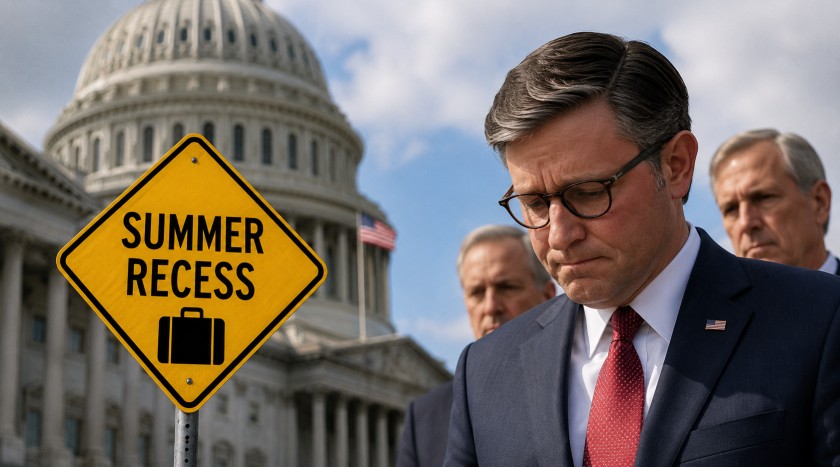
As the summer recess begins, U.S. House Republicans have moved forward with several legislative initiatives, notably increasing defense spending and proposing reforms to voting laws. These efforts come amidst mounting pressure ahead of the upcoming November midterm elections. Despite Republican leaders celebrating these recent legislative successes, there remain visible fractures within the party. This was highlighted when some Republican lawmakers sided with Democrats to pass a non-binding resolution advocating for the withdrawal of U.S. troops from combat roles involving Iran.
The initiatives concerning defense spending and election reforms now face an uncertain future in the Senate. Republican leaders there have hinted at potential delays, as they navigate complex budget negotiations. Such delays could impact the timeline and outcome of these legislative proposals, adding another layer of challenge for Republicans seeking to solidify their agenda.
Democrats, on the other hand, are aiming to leverage voter concerns about healthcare, economic issues, and military expenditures to regain momentum in Congress. They believe these issues resonate with voters and could help them sway the upcoming elections in their favor. The Democratic strategy appears focused on capitalizing on these concerns, presenting themselves as the party ready to address these critical areas.
Meanwhile, Republicans are firm in their stance that their policies have been beneficial for the national economy and security. They argue that their legislative agenda is enhancing economic conditions and strengthening national defense, framing these achievements as central to their campaign narrative. This sets the stage for what is expected to be a fiercely contested midterm election campaign, with both parties vying for voter support on contrasting platforms.