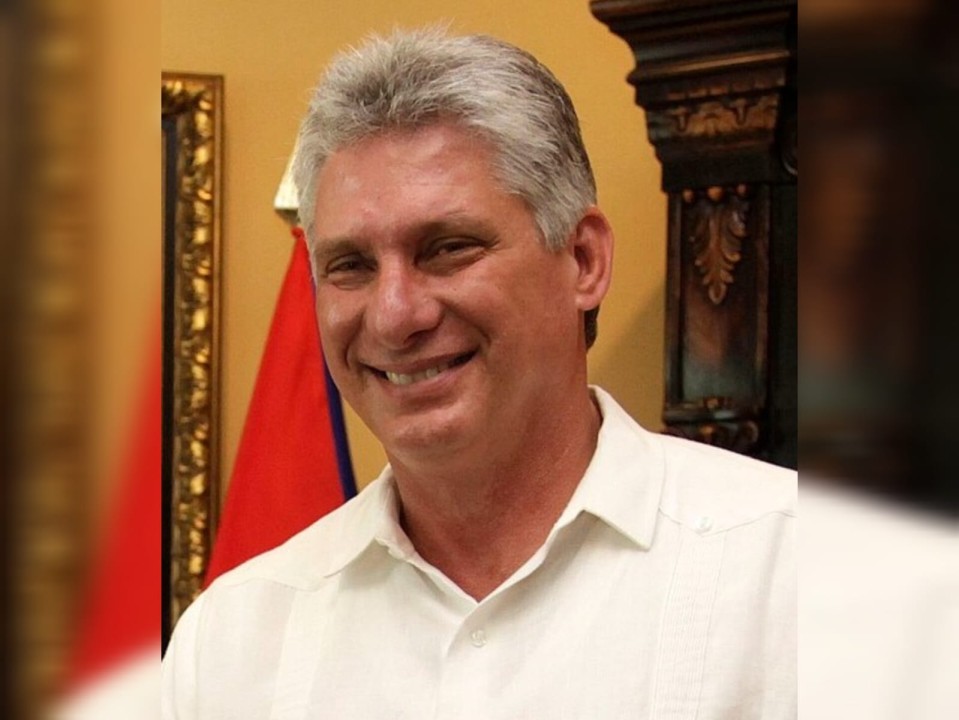
The United States has unveiled new economic sanctions aimed at the upper echelons of Cuba’s leadership, including President Miguel Díaz-Canel and his family, along with members of the Castro family. This action is part of a broader strategy to escalate pressure on Cuba. The measures also target entities associated with the Cuban military and state-linked organizations, such as the Ministry of the Revolutionary Armed Forces and several related institutions. Furthermore, individuals associated with former President Raúl Castro, who still wields considerable influence in Cuba’s political landscape despite lacking an official government position, are also included in the sanctions.
According to U.S. officials, this initiative is designed to amplify economic and diplomatic pressure on the Cuban government. U.S. Secretary of State Marco Rubio emphasized that any individuals or organizations that provide support or services to the sanctioned entities could themselves face penalties. This could extend to foreign banks and international companies, making clear the wide-reaching implications of the sanctions.
The latest sanctions come against a backdrop of enduring U.S. restrictions on Cuba, which include longstanding economic embargoes. Relations between the U.S. and Cuba have further soured in recent years, with Washington accusing Havana of political repression and interference in regional affairs. Meanwhile, the Cuban government continues to attribute its economic struggles to these U.S. sanctions.
This move forms part of a comprehensive U.S. strategy under President Donald Trump, who has been intensifying economic and political pressure on Cuba as well as other nations in the region. The U.S. aims to hold the Cuban government accountable and curb its influence by employing these targeted measures, which are a continuation of the restrictive policies that have been in place for many years.