
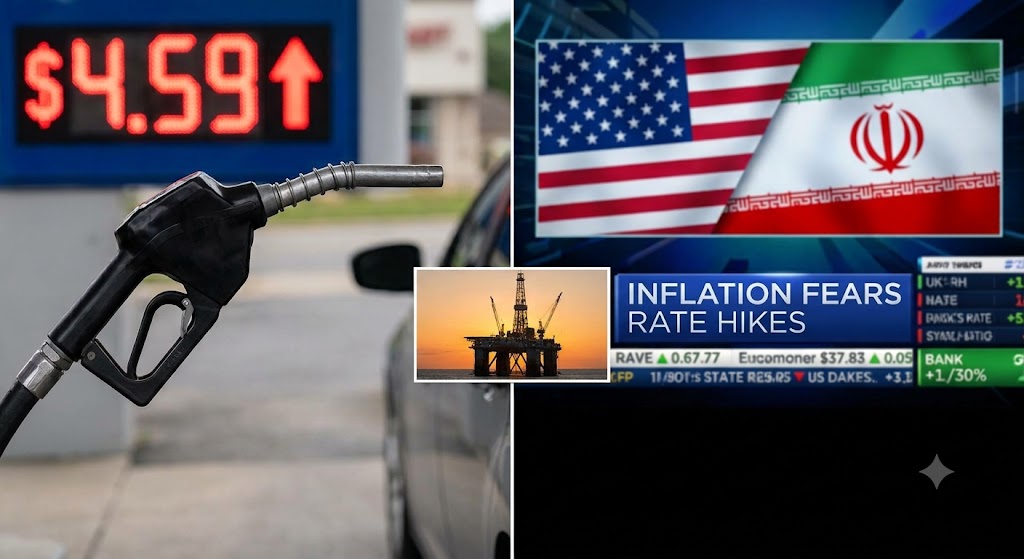
Oil and gas prices saw an upward trend following renewed military tensions between the United States and Iran, sparking worries about the stability of energy supplies and the potential impact on inflation. Brent crude oil experienced a significant surge, reaching its highest level in over a month. However, the prices eased somewhat after US President Donald Trump decided against implementing a proposed 20% fee on ships navigating the strategic Strait of Hormuz.
This spike in energy prices has led to increased speculation that central banks, such as the Bank of England and the European Central Bank, might consider raising interest rates later this year as a measure to control inflation. The bond market reacted with a rise in yields, while European stock markets initially faced declines. These markets eventually rebounded as apprehensions regarding the proposed shipping levy subsided.
Experts suggest that ongoing tensions in the Middle East could continue to contribute to volatility in energy markets. This uncertainty is likely to have implications for global inflation rates and could influence monetary policy decisions in the coming months, as central banks would need to navigate these economic pressures carefully.
Although the immediate threat of increased shipping fees has been averted, the underlying geopolitical tensions persist, keeping the energy sector on edge. The situation underscores the intricate link between geopolitical events and economic policy, highlighting the challenges faced by policymakers in maintaining economic stability amid external pressures.