
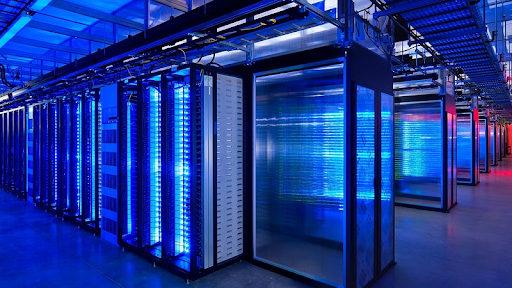
As the AI boom mints $5tn companies like Nvidia, a “shadow” boom is financing the infrastructure. Analysts warn that of the $3tn projected for datacenters by 2028, $1.5tn may come from “private credit,” a part of the shadow banking sector that is “raising the alarm” at the Bank of England.
This “speculative” funding is seen as the primary risk of the AI bubble. While “hyperscalers” (Google, Microsoft) are using their own cash—a “healthy” investment—other projects are being built “without their own customers,” funded by lenders “eager to deploy capital into AI.” Meta has already tapped this market for $29bn.
These lenders, analysts warn, “may not be properly assessing the risks” of funding this “unproven category.” They are backing “very quickly depreciating assets.” One hedge fund founder calculated that datacenters depreciate twice as fast as the revenue they generate, making them a poor long-term bet for lenders.
This financial “exuberance” is happening even as data suggests the AI business model is unproven. An MIT study found 95% of generative AI pilots are yielding zero returns for organizations, questioning the “lofty revenue expectations” justifying the $3tn spend.
If this $1.5tn in private credit, pumped into speculative projects, goes sour, the result could be a systemic crisis. Analysts warn this influx of debt capital “could end up representing structural risk to the overall global economy,” turning the AI gold rush into a financial catastrophe.